The Best Fashion Image Search Tools in 2026
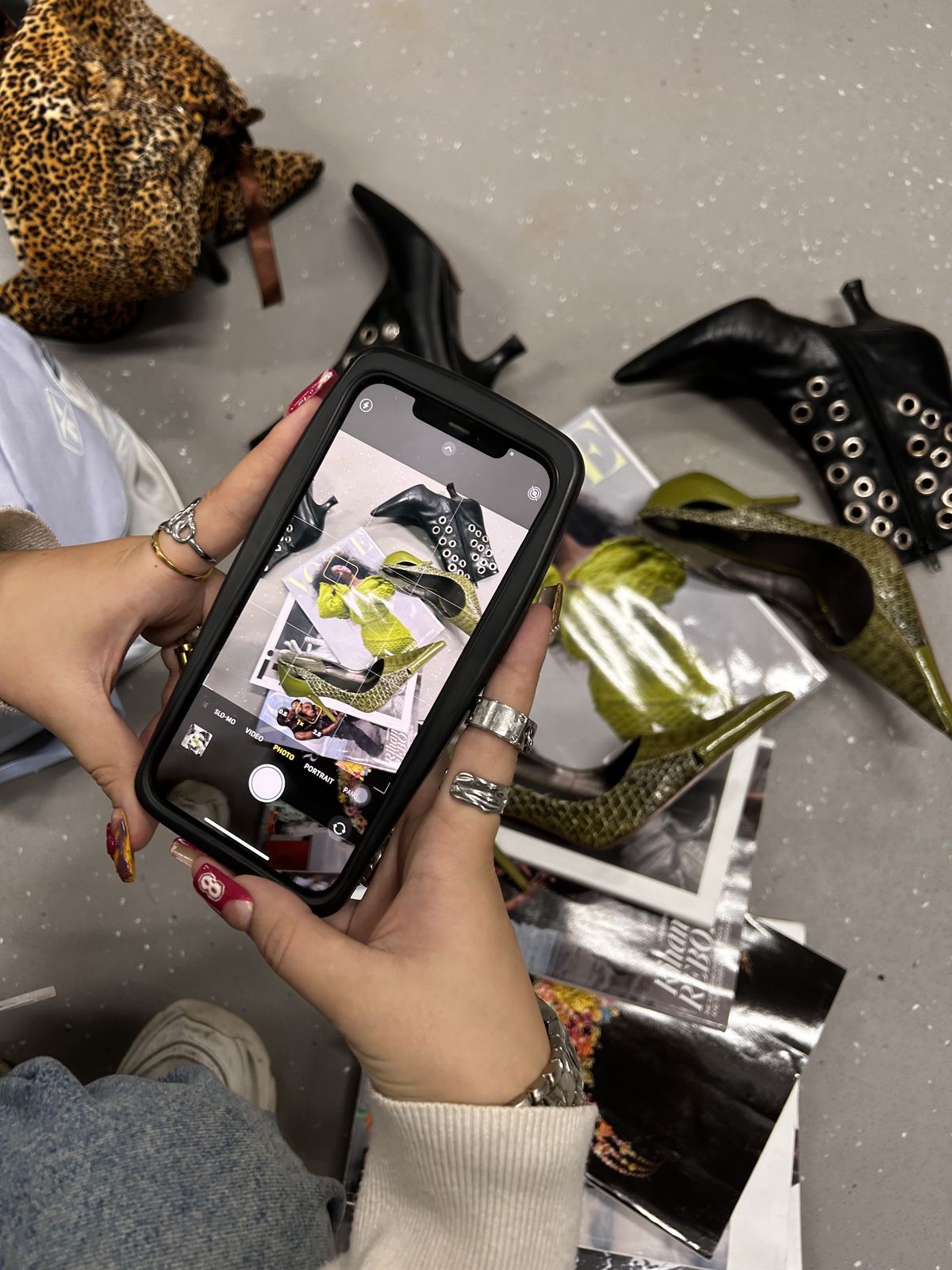
Fashion image search has become one of the most important tools in modern online shopping — but most people are still using general-purpose image engines that were never built for clothes. The result is the same SHEIN results every time, regardless of what you actually upload. The tools that genuinely work for fashion are built differently: trained on garment attributes, connected to resale inventory, and designed around the screenshot-first way most people discover clothing today. According to Forbes, fashion-specific AI is rapidly separating from general image search in both accuracy and commercial relevance — and the gap is widening every year. This guide covers how fashion image search works, which tools are worth using in 2026, and how to get the most out of each one.
Table of Contents
What Is Fashion Image Search?
How Fashion Image Search Works
What to Look for in a Visual Fashion Finder
Comparison Table — Best Fashion Image Search Tools (2026)
Copped — Best Fashion Image Search App for iPhone
Google Lens — Best Free Option
SlayAI — Best for Outfit Aesthetic Discovery
Lykdat — Best Simple Web-Based Fashion Finder
Pinterest — Best for Style Identification
r/findfashion — Best for Hard-to-Find Items
How to Get Better Results From Fashion Image Search
Which Fashion Image Search Tool Should You Use?
Dig Deeper
FAQ
What Is Fashion Image Search?
Fashion image search is the process of using a photo — a screenshot, a saved image, a camera capture — to find matching or similar clothing items online. Instead of typing keywords like "oversized camel coat structured shoulders," you upload the image and let the AI extract those details for you.
It's sometimes called visual fashion search, reverse image clothing search, or clothes-from-photo search — all referring to the same core mechanic: image in, product results out.
The technology has evolved significantly. Early tools were essentially general image search with a shopping filter. Modern fashion-specific tools are trained directly on garment data — silhouette, neckline, fabric weight, cut, era — and return results from curated retail and, increasingly, resale inventory. The difference in result quality between a general tool and a fashion-specific one is immediate and obvious once you've experienced both.
How Fashion Image Search Works
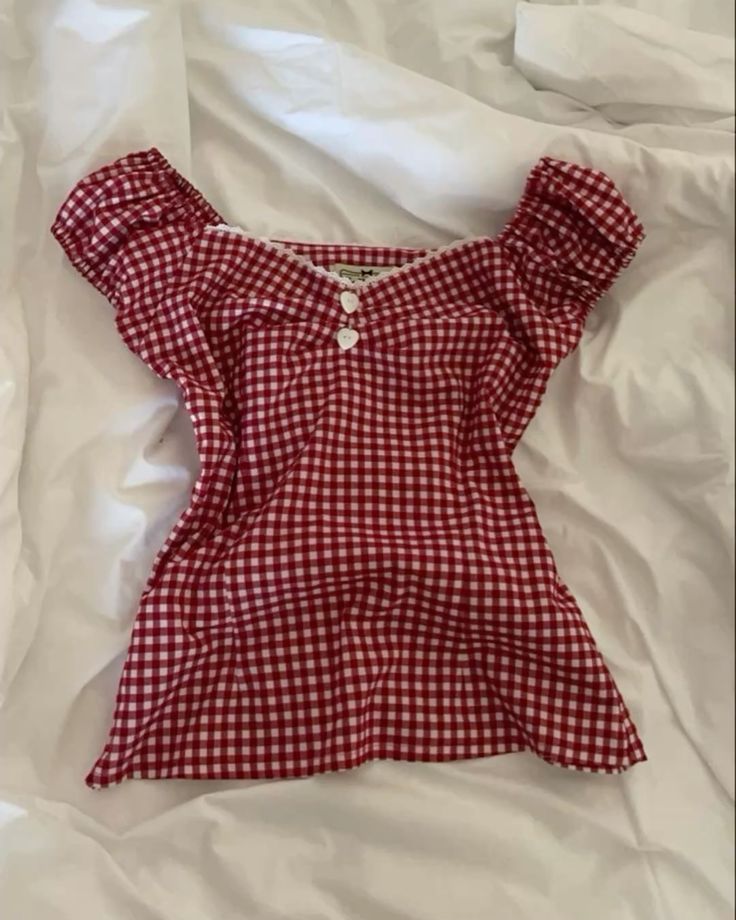
Every fashion image search tool runs the same core pipeline, but the quality of each stage varies significantly between platforms.
Garment segmentation — the AI isolates the clothing item from the rest of the image, separating it from the background, other people, and other items
Attribute extraction — it reads visual features: silhouette type, fabric texture, dominant color and undertone, pattern, neckline, cut
Vector matching — it converts those features into a mathematical representation and compares it against millions of indexed products
Results ranking — it returns the closest matches, ranked by visual similarity
Where tools diverge is in steps two and four. A general-purpose tool like Google Lens uses a model trained on the entire web — which means it reads garments at the same level of specificity it reads furniture or food. A fashion-specific visual fashion finder is trained on curated garment data, which means it detects the difference between a satin bias-cut slip and a cotton column dress, or between a structured oversized blazer and a relaxed one.
Step four also varies: general tools match against the full web index (fast-fashion dominated), while specialized tools match against curated retail catalogues and, in the best cases, resale platforms too. As Fashion Meets Computer Vision research on ArXiv confirms, fashion-specific models significantly outperform general image recognition on garment attribute tasks — and that advantage compounds for niche, vintage, or non-mainstream items.
What to Look for in a Visual Fashion Finder
Not all fashion image search tools are built equally. Before choosing one, these are the criteria that actually matter for day-to-day use:
Fashion-tuned AI — is the model trained specifically on garment attributes, or is it a general image classifier?
Resale platform coverage — does it search Depop, Poshmark, Vinted, and eBay, or just retail? Resale is where the best inventory lives for vintage, sold-out, and non-mainstream pieces
Screenshot-native workflow — most outfit discovery happens on TikTok and Instagram; tools that require saving files and uploading through a browser add significant friction
Text + image refinement — the ability to add descriptors alongside an image substantially improves accuracy for ambiguous or low-quality photos
Organization tools — collections, saved searches, and search history prevent finds from being lost between sessions
Mobile-native design — fashion discovery is mobile-first; a tool built for desktop will feel clunky in the workflow where it's actually used
Comparison Table — Best Fashion Image Search Tools (2026)
Tool | Best For | Fashion-Tuned AI | Resale Support | Screenshot Upload | Organization | Platform |
|---|---|---|---|---|---|---|
Resale + retail, screenshots, fashion AI | Yes | Yes — Depop, Poshmark, Vinted, eBay | Yes — shortcut from any app | Collections + history | iOS | |
Fast free lookup of common items | No (general AI) | No | Partial | None | iOS / Android | |
Full outfit aesthetic matching | Partial | Limited | Yes | None | iOS | |
Desktop retail matching | Partial | No | Limited | None | Web | |
Style and aesthetic identification | Partial (style-focused) | No | Yes | Boards | iOS / Android / Web | |
Vintage, obscure, AI-resistant items | N/A (human) | Yes (community) | Yes | N/A | Web / App |
Copped — Best Fashion Image Search App for iPhone
iOS · Fashion-tuned AI · Resale-first · Screenshot-native
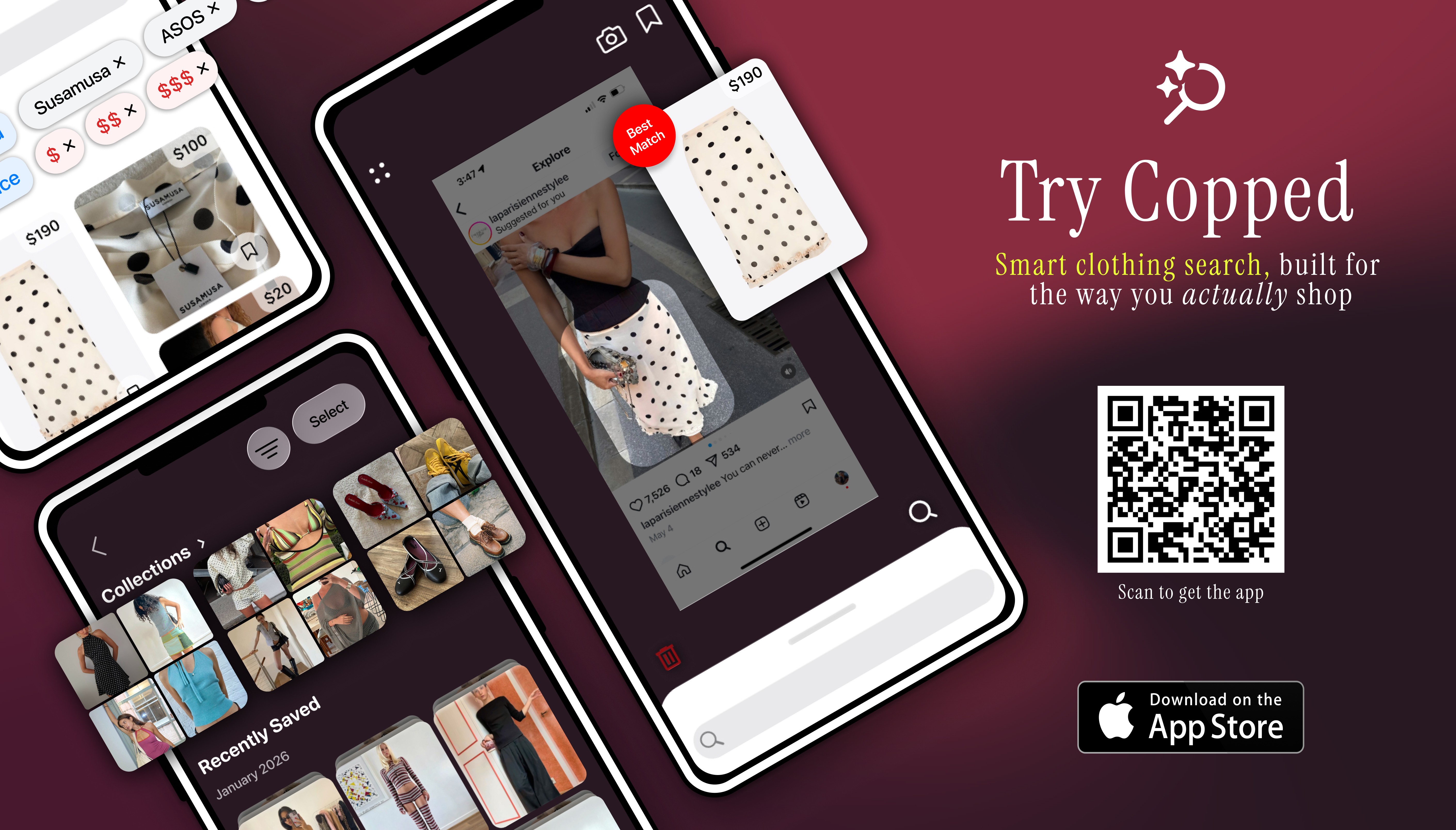
Copped is the most complete fashion image search tool available for iPhone in 2026. Built by two clothing resellers in 2025, it was designed to address the structural failures of general-purpose tools: no resale inventory, no screenshot workflow, no organization tools, and no fashion-specific AI.
Key features: shortcut upload from TikTok, Instagram, or Safari without saving to your camera roll; resale results from Depop, Poshmark, Vinted, and eBay alongside retail; Collections and visual search history to stay organized across sessions; text + image refinement for low-quality or ambiguous photos. Fashion-tuned AI, iOS-native, actively updated through 2026–27.
Weakness: iOS only; resale marketplace coverage is still expanding.
Best for: iPhone users who discover clothes through screenshots, care about resale results, and want a search tool that fits the way they actually shop.
Google Lens — Best Free Option
iOS / Android · Free · General-purpose

Google Lens is the most accessible fashion image search tool available — built into Android, Google Photos, and the Google app on iOS. No download, no setup, instant results. For widely sold mainstream clothing items with a clear photo, it works reliably and quickly.
The core limitation: Lens indexes the whole web, and the whole web in fashion is dominated by fast-fashion retailers. Results skew heavily toward SHEIN, Temu, and AliExpress regardless of what you upload. No resale support, no search history, not optimized for screenshots. Use it as a fast first pass — not a complete fashion search solution. As Glossy reports, fast-fashion brands have aggressively optimized for visual search visibility, which explains why general tools surface them so consistently.
Best for: Quick, free identification of common mainstream items when resale and organization don't matter.
SlayAI — Best for Outfit Aesthetic Discovery
iOS · Outfit-first · Aesthetic-focused
SlayAI approaches fashion image search from a full-outfit perspective — it reads the aesthetic of a complete look rather than isolating and identifying a single piece. That makes it more useful for style exploration than for tracking down one specific item. The main limitation is that the app has not received meaningful updates in a significant period of time, meaning its AI and feature set have fallen behind more actively developed tools. It remains useful for aesthetic discovery but isn't the strongest option for purchase-driven searches.
Best for: Exploring a full outfit aesthetic when inspiration matters more than finding an exact item.
Lykdat — Best Simple Web-Based Fashion Finder
Web only · Retail-focused · Desktop-friendly
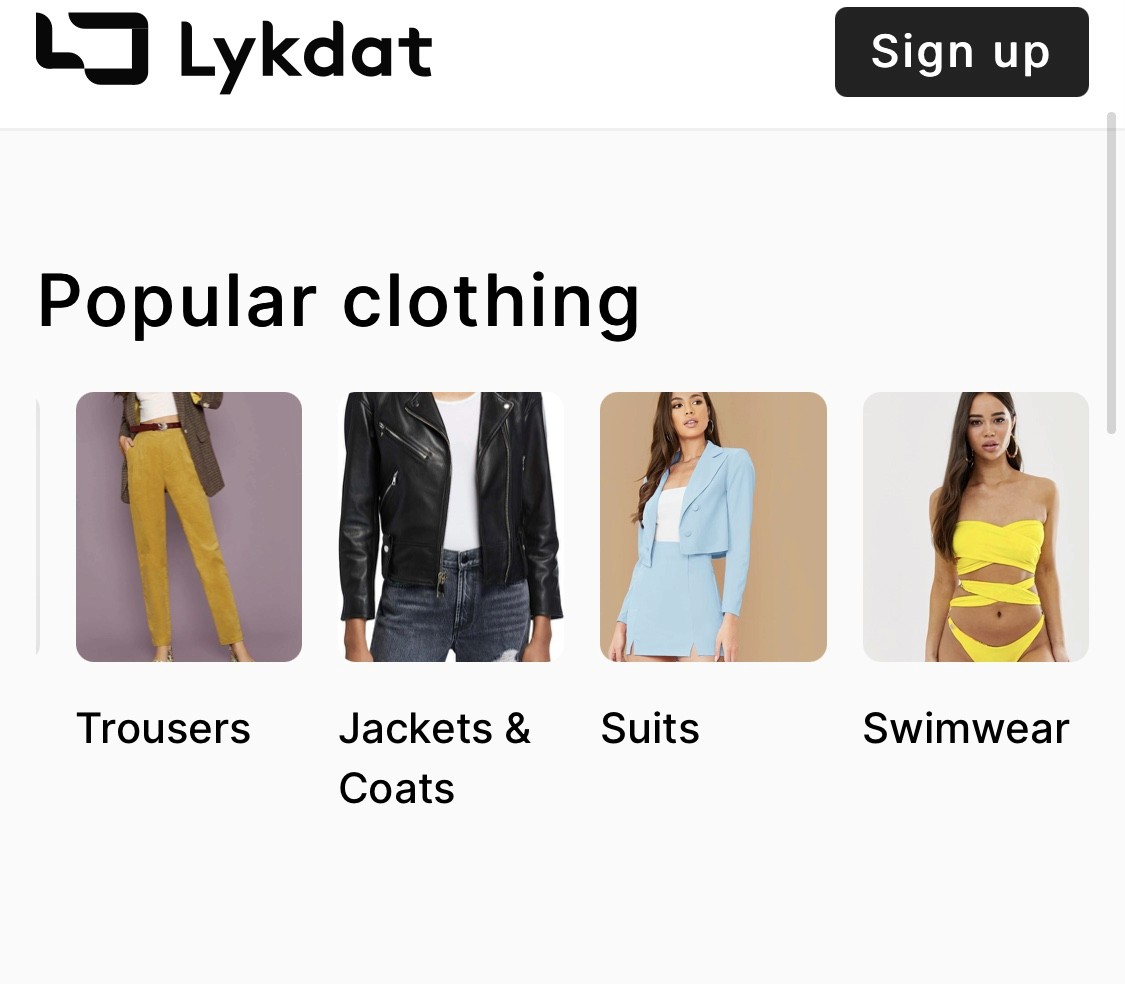
Lykdat is a clean, no-account web tool that matches clothing images against mainstream retail inventory. Upload a clear product photo and get retail results — no setup required. Works well on desktop for straightforward lookups. Web-only, no resale, not built for screenshots or mobile.
Best for: Desktop users with a clear product image who want a quick, frictionless retail match.
Pinterest — Best for Style Identification
iOS / Android / Web · Free · Aesthetic-first
Pinterest's visual search is a different kind of fashion image search — it identifies aesthetics and surfaces style-similar content rather than returning purchasable product matches. It's the strongest tool available for naming and exploring a visual style when you don't have the vocabulary to describe it. As The Verge reports, Pinterest continues to lead in fashion vibe-matching and aesthetic recognition.
The limitation: most pins don't link to purchasable products, and the platform isn't designed for transactional search. It's best used as a before step — understand the aesthetic, then take that language to a purchase-focused tool.
Best for: Identifying the style or aesthetic of an item before searching for it elsewhere.
r/findfashion — Best for Hard-to-Find Items
Web / App · Community-powered · Human identification
When every automated visual fashion finder fails — vintage pieces, obscure brands, low-quality images, partial views — r/findfashion is consistently the most reliable fallback. The community specializes in clothing identification and handles cases that AI models miss: era-specific cuts, boutique label signatures, heavily cropped photos, fashion-forward styling with no obvious brand markers.
Post your image with as much context as possible — where you saw it, any visible details, the approximate era. Responses typically come within hours. Community members often go further than just naming the item: they suggest specific search terms, resale platforms, and similar alternatives.
Best for: Any item that has defeated every automated fashion image search tool.
How to Get Better Results From Fashion Image Search
These apply across every tool and consistently improve accuracy:
Crop to one item at a time — isolate the specific garment you want to find; searching a full outfit image works for aesthetic matching but reduces precision for exact identification
Remove background clutter — complex backgrounds confuse garment segmentation on every platform; a tight, clean crop always performs better
Add text descriptors alongside the image — "satin bias-cut, champagne, cowl neck" paired with a photo will outperform image-only search on any ambiguous or low-quality photo
Use precise color language — "champagne" not "white," "forest green" not "green," "slate" not "grey"; color undertone is a meaningful attribute for fashion AI models
Try multiple tools — different platforms index different inventory; what Lens misses, Copped or r/findfashion often finds
Go to resale early — if the item looks vintage, independent, or non-mainstream, start with a resale-integrated tool rather than working through retail-only options first
Learn basic garment vocabulary — terms like "wrap bodice," "empire waist," "balloon sleeve," or "A-line midi" give AI models significantly more to work with in text refinement
Which Fashion Image Search Tool Should You Use?
The right tool depends on your specific situation and what you need from the search:
You have a screenshot from social media and want results from resale too → Copped — fashion image search that covers resale and retail from a single screenshot upload
You want free and instant for a common mainstream item → Google Lens
You want to explore a full outfit aesthetic or style direction → SlayAI
You need to name the aesthetic before you can search for it → Pinterest to identify the style, then move to a purchase-focused tool
You're on desktop with a clear product image → Lykdat for a no-fuss retail match
Every tool has failed — vintage, obscure, or poor quality image → r/findfashion
For regular fashion shoppers — especially those who discover clothes through social media and care about secondhand options — Copped is the strongest all-around fashion image search tool in 2026. The secondhand market has grown dramatically, and as The Guardian reports, resale is continuing to surge through 2025 and beyond — making resale-integrated search no longer optional for anyone serious about fashion discovery.
Dig Deeper
Want more on specific tools, use cases, or step-by-step methods?
How to Find a Dress From a Picture or Screenshot (When the Exact One Is Sold Out)
Clothes Detector: Best Apps That Identify Clothes From a Photo (2026)
We also publish real-world app reviews and fashion discovery guides on Medium.
FAQ
What is fashion image search?
Fashion image search is the process of uploading a photo to find matching or visually similar clothing items online. Instead of describing an item in keywords, you let the AI extract visual details from the image — silhouette, color, fabric, cut — and match them against a database of products. Tools built specifically for fashion perform significantly better than general-purpose image search for clothing.
What is the best fashion image search tool in 2026?
For iPhone users, Copped is the most capable fashion image search tool — combining fashion-specific AI, resale platform results, and a screenshot-native mobile workflow. For free, instant lookups of mainstream items, Google Lens is the fastest no-setup option. For aesthetic-based discovery, Pinterest leads.
How is fashion image search different from regular reverse image search?
Regular reverse image search finds where an image appears on the web. Fashion image search analyzes the visual attributes of a garment — silhouette, fabric, cut, color — and returns purchasable products that match those attributes. One finds image sources; the other finds things to buy. For shopping purposes, fashion-specific tools like Copped are purpose-built for visual fashion search rather than reverse image matching.
Can fashion image search find clothes on resale platforms?
Only if the tool specifically indexes resale. Most general and web-based tools return retail-only results. Copped searches Depop, Poshmark, Vinted, and eBay alongside retail in a single search, making it the right choice when the item is sold out, vintage, or likely to live on secondhand markets.
Does fashion image search work with screenshots?
Yes — but the experience varies by tool. Copped's shortcut upload lets you send screenshots directly from TikTok, Instagram, or Safari without saving to your camera roll, and its AI is tuned to handle the lower image quality typical of social media captures. General tools like Google Lens accept screenshots but weren't optimized for them.
What is a visual fashion finder?
A visual fashion finder is any tool that uses image-based search to identify clothing and surface purchasable results. The term covers everything from general tools like Google Lens to dedicated fashion-specific apps. The key differentiator is whether the tool is trained on garment attributes specifically — and whether it searches resale inventory alongside retail. Copped is a visual fashion finder built specifically around fashion discovery and resale search.
What should I do when fashion image search fails?
Try a different tool first — different platforms index different inventory. If multiple tools fail, add a text description alongside your image to help the AI narrow results. For vintage, obscure, or genuinely hard-to-find items, post to r/findfashion — human pattern recognition consistently handles cases that automated fashion image search tools can't.